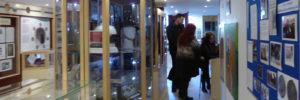
As a small market town Malmesbury has a long agriculture and industrial heritage. The museum collection includes many reflections of this way of life. We have photographs, displays and the Malmesbury Voices being recordings of local people who remember bygone times.
Wool And Textile Industry
The wool industry was important for centuries. William Stumpe produced 3000 cloths a year; broad cloth from Malmesbury is recorded as being sold in London. There were several mills around the town. Wynyard Postern and Cowbridge mills were all owned by clothiers. The Avon Silk Mills by the town bridge had originally been the site of a flour mill in the 13th century. Later when the wool industry flourished it became a wool mill in 1793 but in the mid-19th century the mill was converted to a silk mill.
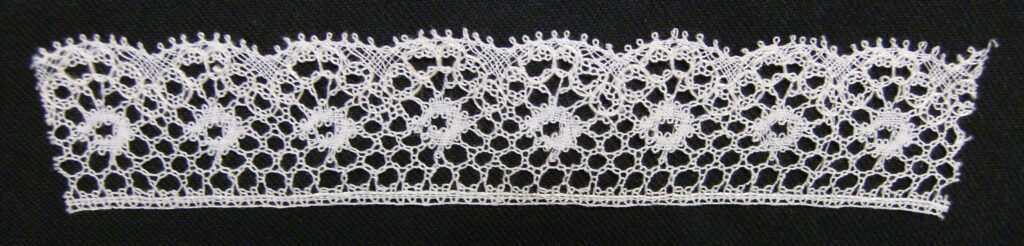
Lace making was a major cottage industry in Malmesbury and the museum has an interesting collection of Malmesbury lace and Malmesbury bobbins. More information on this vibrant local industry can be found in the Textiles & Lace section of our website.
Watch And Clock Manufacturing
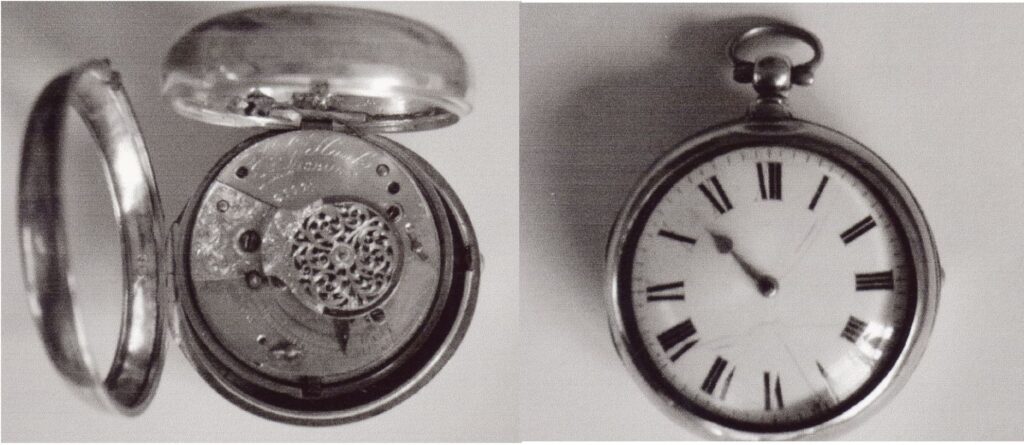
Malmesbury also possessed a significant watch and clock making industry and the museum has on display a longcase clock made by H G Hanks. Richard Pinnell of Malmesbury was another longcase clock manufacturer and John Morse watchmaker and clockmaker was listed in the 1830 trade directory for Malmesbury. The Bell Tower of St Paul’s has a posted frame clock made or possibly assembled by Henry Weight in 1859. Find out more about The Henry Weight Frame Clock.
Ratcliffe And Sons, Engineers
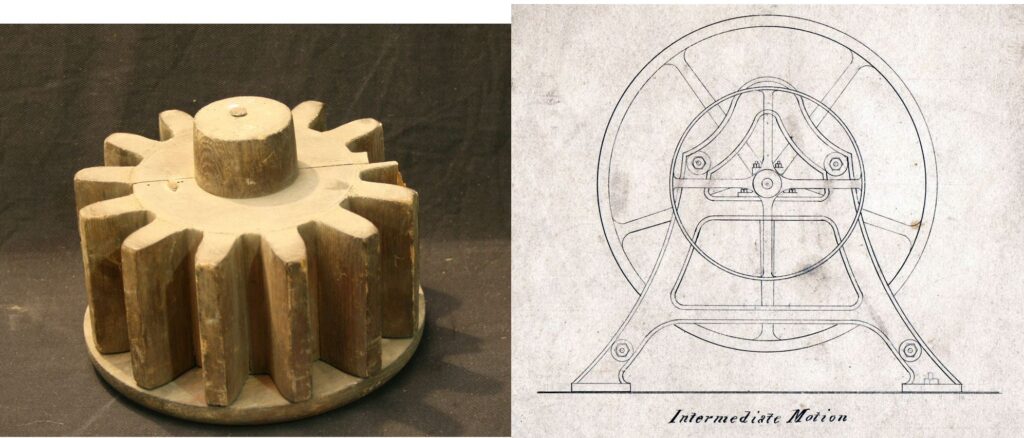
Athelstan Museum holds many wooden patterns and technical drawings for Ratcliffe’s, a long established local engineering firm. Wooden patterns were made based on initial drawings. The pattern was a replica of the object to be cast, and was used to prepare the cavity into which molten metal would be poured during the casting process. Find out more information about the history of Ratcliffe and Son.
Linolite Products
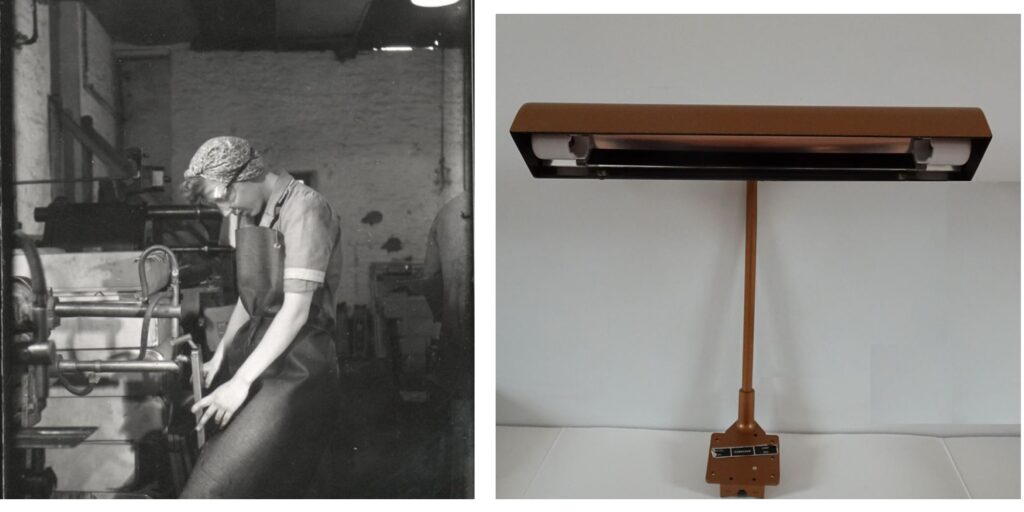
Mill Works in Burnivale became the home of the Linolite Company in 1941 which then moved to a new factory at Tetbury Hill in 1985. After Linolite was taken over by an American company in 1993 the location was bought by Dyson. ‘ Linolite Limited The Inside Story’ is a book of the Linolite factory, told by the people who worked there and can be purchased from our Shop.
EKCO: Malmesbury’s Secret War Factory
During WW2 an elegant country house became the site of a war factory producing radar equipment. The electronics company EK COLE manufacturer of radio products moved from Southend into Cowbridge House on the outskirts of Malmesbury to assist in the war effort..
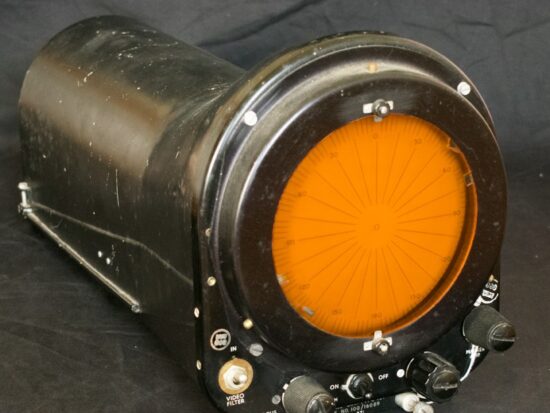
Our collection includes photographs and other documents and artefacts relating to the EKCO works, including items of radar equipment such as is shown below:
A book titled ‘You’re One Of Us Now’ tells the story of the ECKO factory at Cowbridge and can be purchased from our Shop